Fellows Spotlight
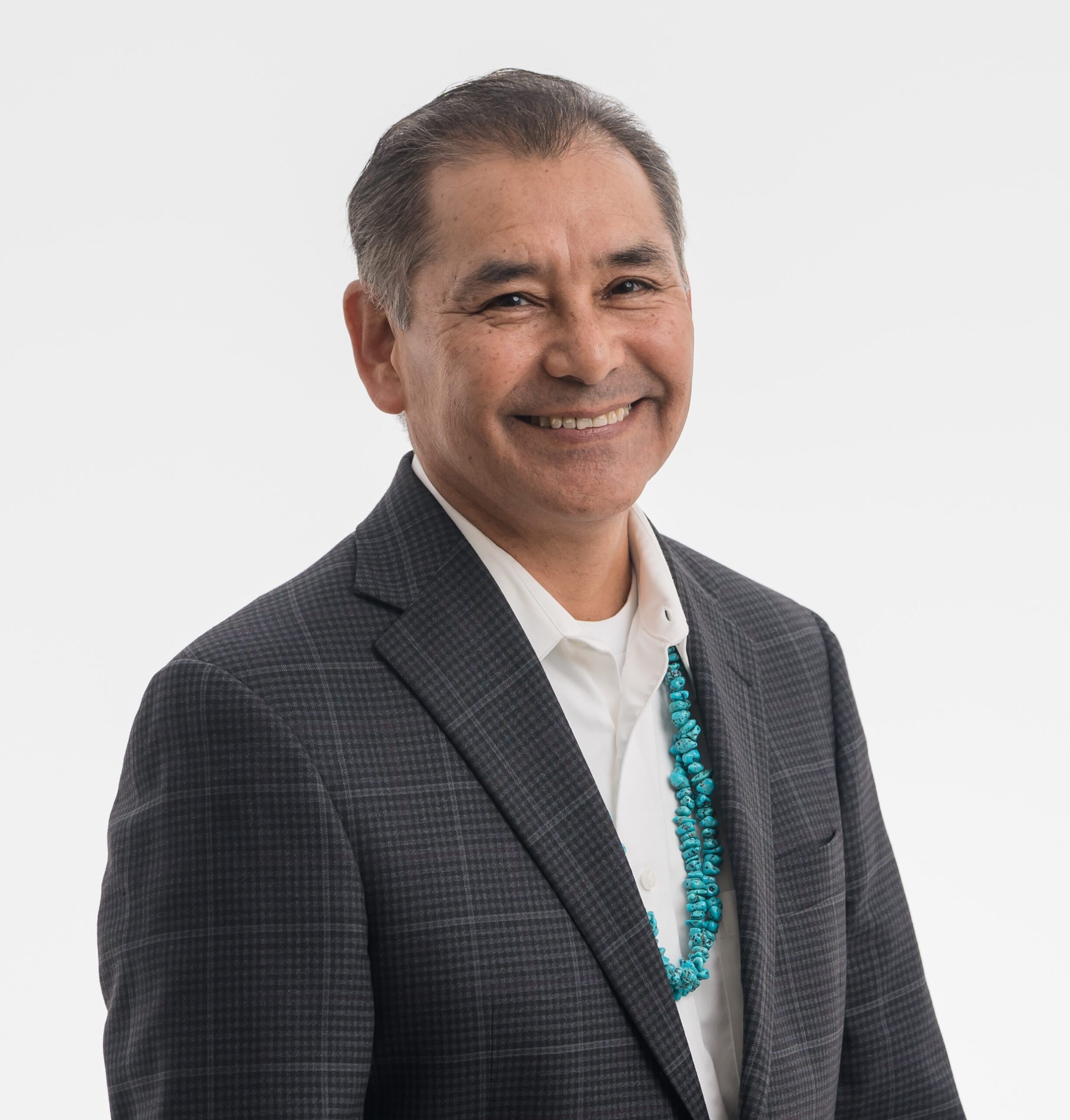
Daryl Melvin
(Flagstaff, 2017)
Principal
Melvin Consulting
Daryl Melvin carries something most civic leaders don’t: a relationship with this land that stretches back countless generations. Hopi and Navajo, he was raised in Nuvatukya’ovi—Flagstaff—on land that has sustained his family through farming, gathering, and hunting. That connection to place is not incidental to his work. It is the foundation of it.
After earning a degree in civil engineering from the University of Arizona, Daryl was commissioned as an officer in the U.S. Public Health Service, designing infrastructure and health care systems across the country—hospitals, clinics, and community facilities, including projects close to home. That path led him to hospital and clinic leadership before he returned to his engineering roots and founded Melvin Consulting, a civil engineering and professional services firm working with native-led nonprofits, tribal governments, and rural schools on projects that most firms never pursue.
He believes that for rural and Indigenous communities, public policy is never an abstraction. In his view, there can be serious consequences—funding disappears, timelines collapse, and communities already stretched thin absorb the damage.
Melvin said he has watched it happen repeatedly, adding that Arizona continues to treat rural and reservation communities as afterthoughts in conversations dominated by urban priorities.
“Closing the gaps in infrastructure and health care requires sustained commitment—not just attention when things finally reach a breaking point,” he said.
That belief in staying the course is part of what drew him to the Fellowship. What he found was something he hadn’t quite expected—a genuine space for hard conversations across real differences.
“The Fellowship provides a safe space to discuss differing viewpoints and prepares us for engaging discourse—helping us better understand and appreciate different perspectives,” Melvin said.
In a moment when that kind of exchange feels increasingly rare, the Network’s value becomes all the clearer. The relationships Daryl has built here continue to open doors and shape his thinking in ways that extend well beyond any single project or policy conversation.
His vision for Arizona’s civic health is rooted in the same instinct. He believes the state’s greatest opportunity lies in building genuine spaces where people from different communities, different geographies, and different starting points can talk honestly about what they share. And he is especially focused on young people. Creating environments where youth feel safe finding their voice and contributing to solutions, rather than simply inheriting problems, is something he returns to again and again in his firm’s language immersion work, in his civic engagement, and in the way he moves through the world.
Book Recommendation
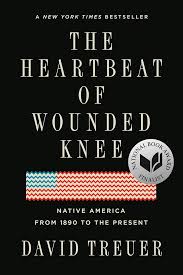
The Heartbeat of Wounded Knee: Native America from 1890 to the Present by David Treuer
As Americans, we are educated to believe there is one point of view in American history. It’s important that we hear and learn other stories and differing points of view on the same historical events. This book challenges the false narrative that Indigenous history ended at Wounded Knee in 1890. Instead, it highlights the resilience, adaptation, and continued contributions of Native communities into the present day.
If you missed a Fellows Spotlight, you can find them here.