Class of 1999
Will you share a little about your current role and what excites you most about your work?
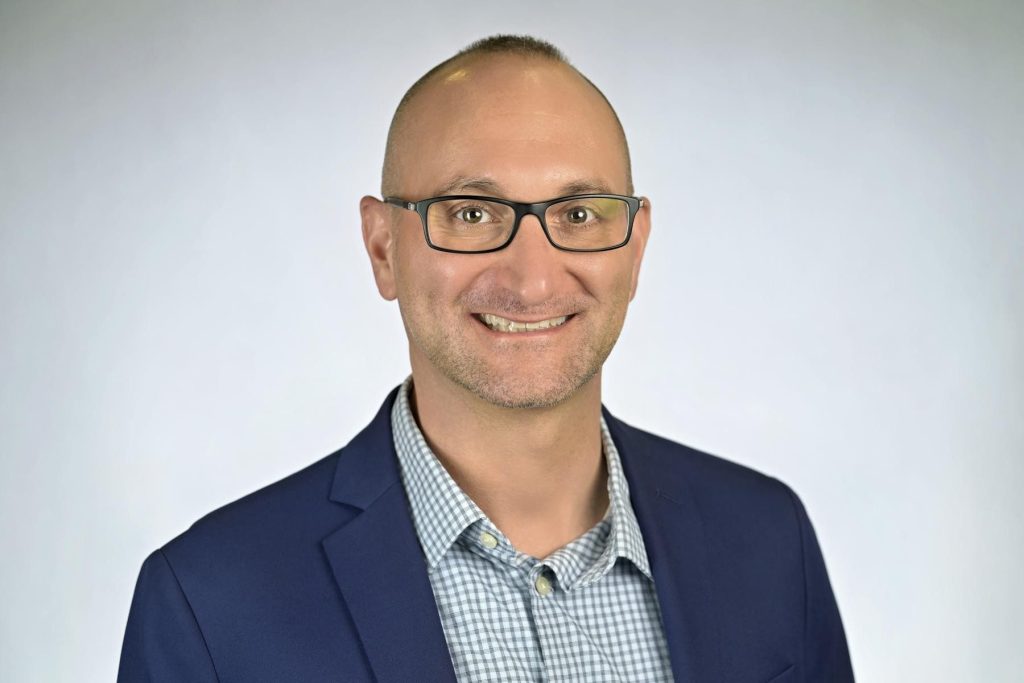
I’m the director of planning and policy for the city and county of Denver, in the Community Planning and Development department. My team shapes the city’s long-range plans, land use rules, zoning code, and historic preservation policy. Those are the tools that decide how Denver grows: where housing goes, how neighborhoods change, and how we balance the needs of a growing city with the character of the places people love. What excites me most is that the work sits where law, the built environment, policy and politics meet. On any given day I might be working with the mayor, city council, local businesses or neighborhood residents alongside an amazing team of talented, brilliant staff in a vibrant capital city. This work allows me to pursue my life’s calling: to be a living instrument of democracy, helping people to live in greater harmony with each other and the planet.
How did being a Flinn Scholar shape your academic and/or career path?
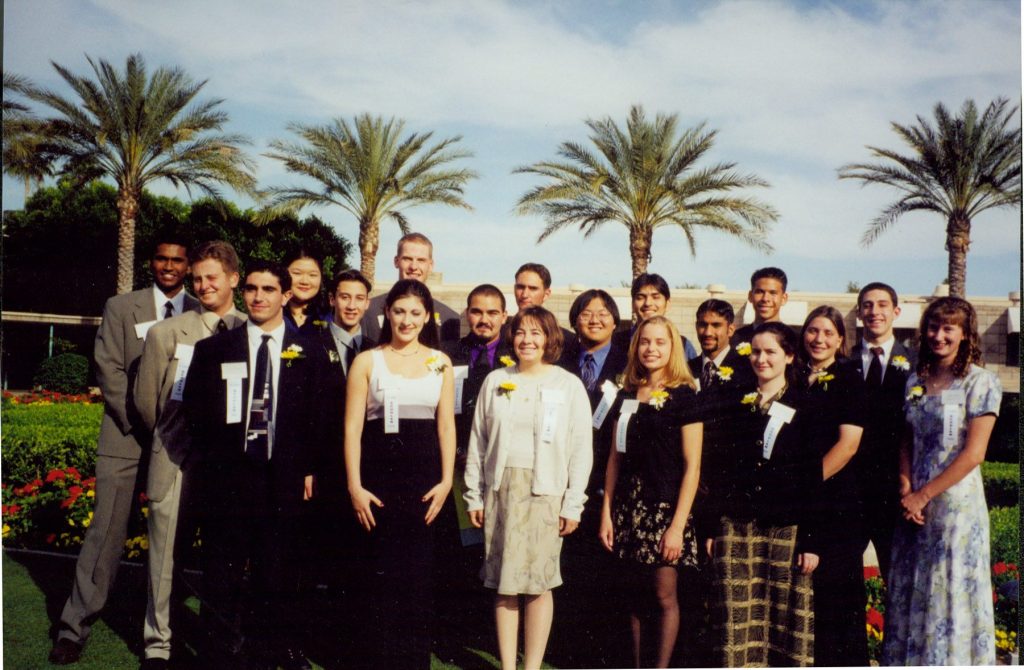
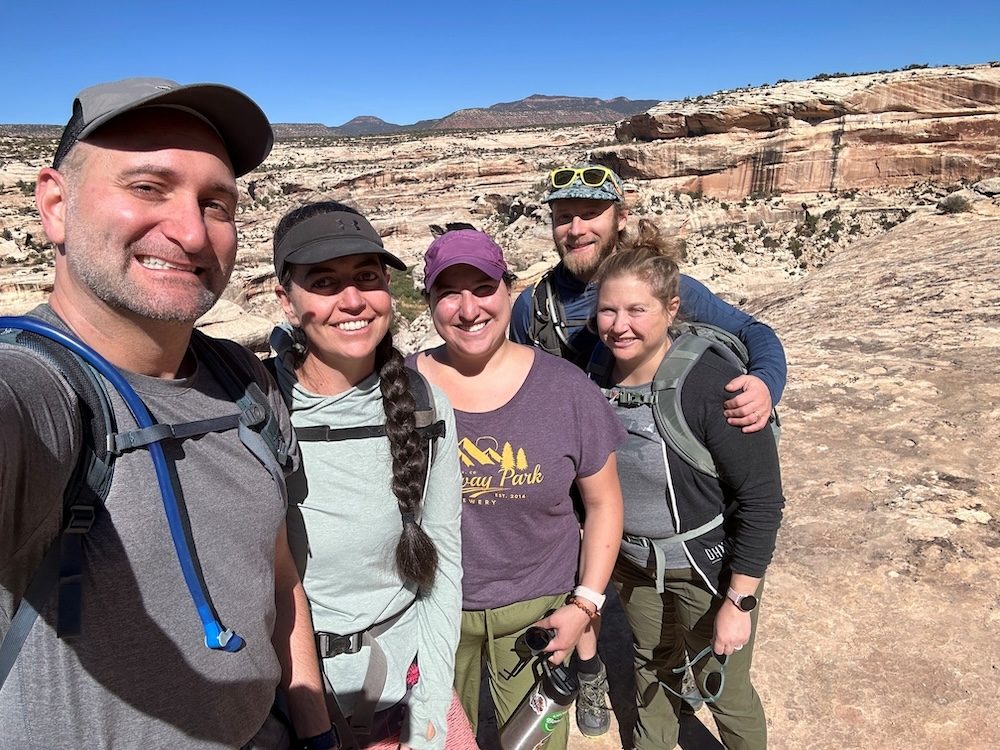
When I chose Northern Arizona University, I was the first Flinn Scholar to go there in several years. That meant I had to be intentional about staying connected to the Flinn community. I made frequent trips south for the public policy series, speaking events and social outings, like hiking the Chiricahuas. I found a great community in Flagstaff, and I also learned the value of traveling for new perspectives and keeping relationships strong across distances. Flinn-funded study abroad showed me very different approaches to urban development and place-making. Those experiences still shape how I work: get out and see places firsthand, and invest in the important people in your life, even when they aren’t right next door.
Is there a project, achievement, or experience you’re especially proud of?
I’m proudest of the work that advances equity, because that’s what feels most aligned with my values. One standout is Denver’s Group Living update. It modernized our zoning code to let more unrelated people share a home, up from just two adults in a single-family house previously. It also updated the rules for residential care facilities, so people have more housing options and more ways to support one another. It removed zoning discrimination based on people’s identities, life circumstances, or physical needs. It was controversial: groups funded by dark money gathered petitions to put a repeal on the ballot. But when it came to a vote in 2021, more than two-thirds of Denver voters chose to keep the new rules. Outside my regular job, I’ve loved serving as an election judge in several elections. It’s powerfully moving every time a new citizen or a formerly incarcerated voter casts a ballot. More broadly, I’m proud of work that empowers communities, opens up access to democracy, and improves residents’ quality of life.
Looking back, what’s one lesson from your time as a Flinn Scholar that has stayed with you?
My Flinn experience connected me to NAU’s Honors Program (not yet a College in those days), which led me to attending the National Collegiate Honors Council’s National Honors Semester in New York City my junior year. Going from the mountains of Flagstaff to downtown Brooklyn taught me lasting lessons about the power of communities, small and large, and the way people constantly reinvent shared life and culture. My studies of New York City, in New York City, coincided with the 9/11 attacks. In the chaos of that day and the weeks that followed, a classmate observed that “New York became a small town.” People shared information, offered mutual aid, and freely gave hugs to strangers. There’s also real power in solitude in nature, watching the countless ways plant and animal communities organize themselves and inhabit our fascinating planet. We have much to learn from both the Earth and each other about how to care for each and make the most of our time here.
What’s one unexpected skill you picked up during college that you still use today?
For a while I studied civil engineering before I decided to focus on community planning. Those graduate-level traffic engineering courses still shape what I see in streetscapes and the street network every time I drive, walk, or ride. My public service announcement: when a lane is ending, don’t merge early! We all get there faster when we stay in our lanes until the merge point. More seriously, that background helps me advocate for improved pedestrian experiences and to design communities around efficient ways of moving people, so that everyone can get where they need to go.
What’s the most surprising way your Flinn experience has popped up in your life post-college?
My faith. After freshman year, our Flinn Scholar class traveled to Hungary and Romania, where we visited historic Unitarian church landmarks in Transylvania. I’d learned about Unitarian Universalism in school and felt an affinity for the faith, but had never been to a congregation. That trip reminded me to check it out when I got back to Arizona. I found a liberal, welcoming, multi-generational community, quickly became a member, and my faith has only grown in the decades since. I’ve served on congregational committees and boards of trustees, and as a delegate to the national General Assembly. My church in Denver even has a decades-long relationship with a congregation in a small Romanian town, which brings that trip full circle.
What book, podcast, or piece of media has changed how you think in the last year?
True North by Bill George and Zach Clayton. I read it with my mentor, and it helped me rediscover my calling. It also pushed me to look honestly at the crucibles in my life, the hard moments that shaped me into the servant leader I’ve become. I’d recommend it to emerging leaders, anyone at a crossroads, or anyone who just wants to reconnect with why they do what they do.