Arizona’s story
Our story so far: building the Arizona NeuroArts Coalition
The work of integrating arts into clinical practice, healing, and community well-being is underway across the state.
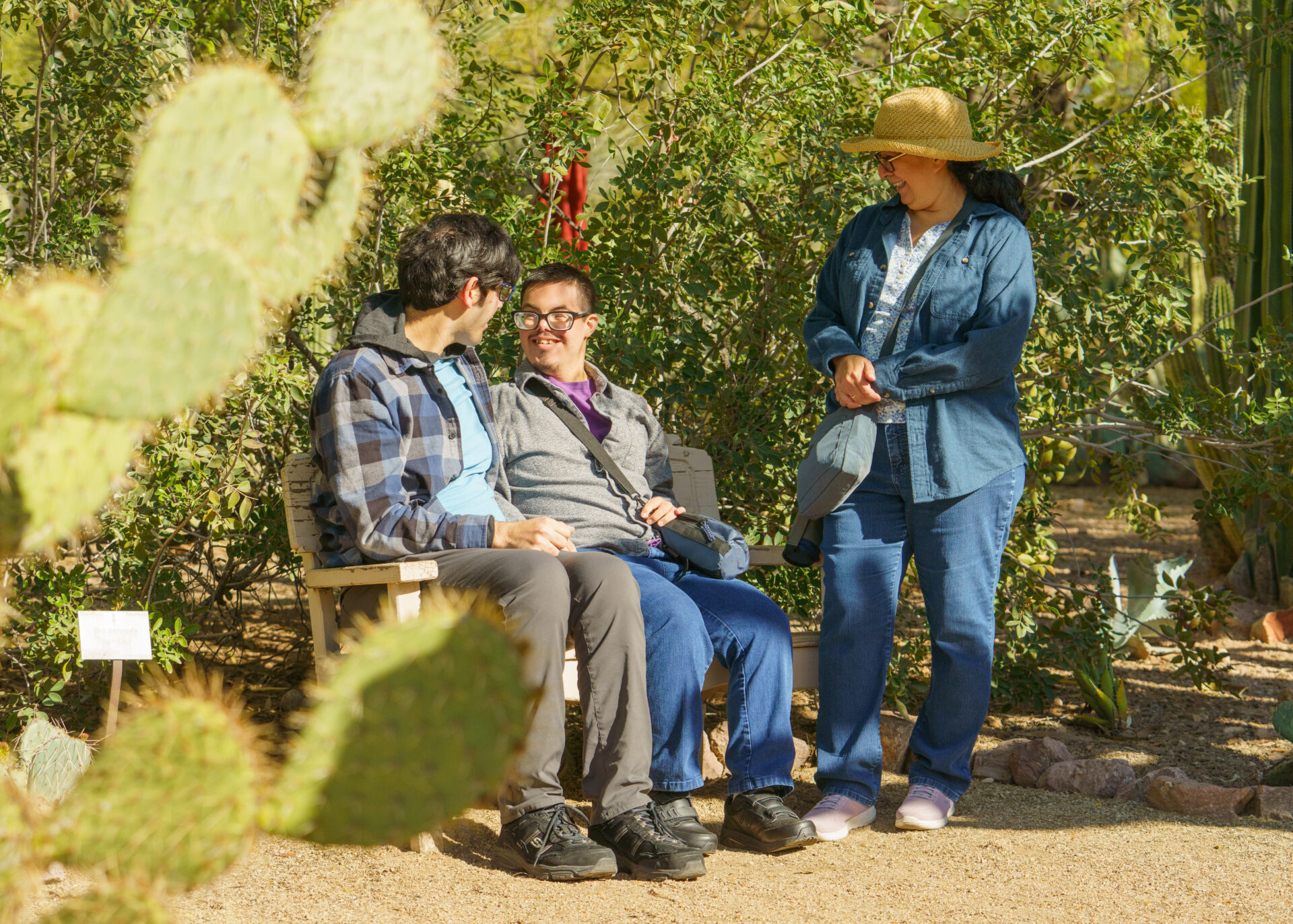
Ballet Arizona partners with healthcare systems to address Parkinson’s disease and cognitive health. Banner Alzheimer’s Institute has a choir for people living with memory loss. The University of Arizona’s Arizona Arts RX prescribes arts experiences for students experiencing anxiety, depression and loneliness.
The examples are part of a growing ecosystem of practitioners, institutions, and innovators who believe arts are essential to health.
Neuroarts studies the science of how arts and aesthetic experiences impact the brain, body, and behavior and how documenting it can advance health and well-being of individuals and communities.
The Flinn Foundation convened arts and healthcare experts separately to explore how to harness the power of arts as a measurable health intervention aligned with a national neuroarts movement. The Foundation is the anchor organization for the Arizona NeuroArts Coalition, which is part of a growing network of regional coalitions born out of the NeuroArts Blueprint at Johns Hopkins University.
Separate meetings with healthcare professionals and arts organizations revealed that the field is moving, but in isolation.
Healthcare workers are in one corner, artists in another. Researchers and educators are mostly separate. The throughline connecting both conversations was clear, however: we need shared language, shared evidence, and coordinated systems-change efforts to move this work from isolated pockets of excellence to an integrated approach.
Healthcare professionals: more evidence needed
When healthcare professionals gathered, the conversation centered on a fundamental insight: arts aren’t extras. They’re already an essential part of clinical practice.
Healthcare workers shared how visual art, music and movement were shifting outcomes they care about most: patient anxiety, staff burnout, community healing, and behavioral health. Some were doing this work formally. Others quietly, often without organizational support or recognition.
Other needs that were identified in the meeting included:
- Better data. Healthcare professionals want rigorous evidence about art-based interventions so they can integrate them into clinical protocols, secure funding, and measure impact alongside other health interventions. Evidence needs to be synthesized, validated, and translated into language that clinicians, administrators, and policymakers can act on.
- Accessible models. Healthcare systems need clear, replicable approaches that fit existing workflows without requiring specialized expertise. The field needs current models documented and shared.
- Cross-sector collaboration. Healthcare isn’t siloed from arts, education, or community, but funding and training systems treat them that way. Breaking down silos requires coordination.
- Training. Clinical staff and artists need new skills to work across these domains.
Practitioners are eager to do this work, but need infrastructure, evidence, and permission to see arts as healthcare.
Arts organizations: data lacking
Arizona arts organizations gathered later for a different kind of conversation. Nearly every group in the room was engaged with neuroarts in some form.
What we heard:
- Work is underway. Many Arizona organizations use arts-based approaches for health and community healing. However, they often don’t realize it has a name, fits into a larger movement, or connects to the work being done in hospitals and clinics.
- Data gap is real. Organizations emphasized that they needed better evidence, shared metrics, and clearer messaging to help funders, healthcare systems, and policymakers understand the impact of arts-based work. Many have compelling stories but lack the data to translate those stories into systems-level change. Conversely, researchers and data professionals need to partner with artists to create evidence.
- Systems change is the goal. Participants envisioned arts integrated into healthcare delivery, embedded in school curricula, prioritized in public health, and supported through sustained funding. This requires alignment across health, arts, education, government, and funding sectors.
- Connectivity needs to be strengthened. Almost every organization was connected to others through shared missions, populations, or geography. The coalition doesn’t need to be built from scratch. It needs to be coordinated.
Throughline: connections needed
Participants in both sessions are integrating arts into health and healing with passion, skill, and results. What emerged across both conversations was not a call to start something new, but a call to connect what’s underway, document what works, and build the evidence to allow neuroarts work to scale.
What’s next: build the evidence
More research can connect healthcare systems, arts organizations, educators, and funders. It can provide a common language, measure impact in compatible ways, and build systems that recognize arts as essential to health.
The Arizona NeuroArts Coalition’s next year is expected to focus on bringing researchers, practitioners, and policymakers into deeper partnership so the work already underway across Arizona can be strengthened, scaled, and sustained.
Get involved
Join the Arizona NeuroArts Coalition
We invite community organizations, health systems, cultural institutions, researchers, artists, funders, and civic leaders to join this coalition-building journey.
An initiative of the Flinn Foundation, in partnership with the Arizona Commission on the Arts, Virginia G. Piper Charitable Trust and Vitalyst Health Foundation.