Fellows Spotlight
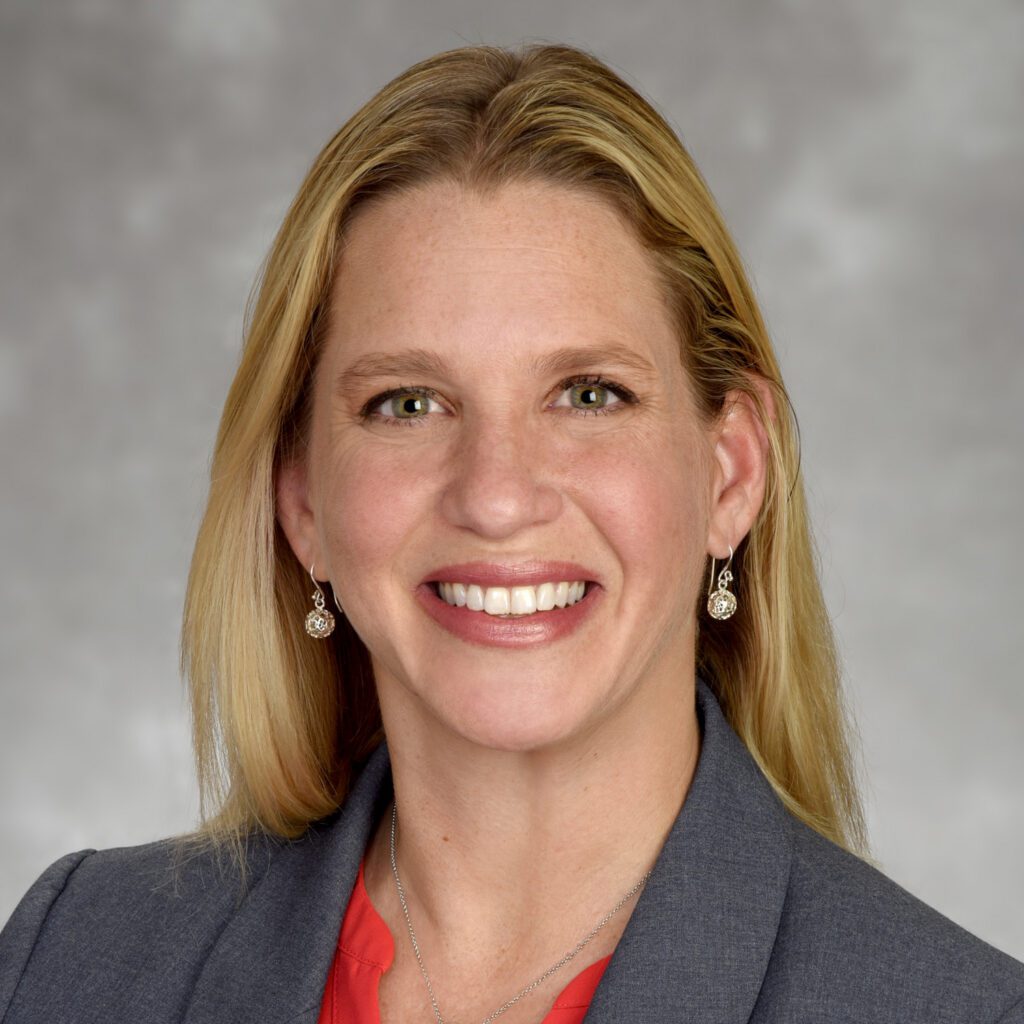
Ashley Bridwell
(Phoenix, 2019)
Program Coordinator, Adult Neuro Program
Barrow Neurological Institute
For more than two decades, Ashley Bridwell has helped people navigate complex systems during some of the most vulnerable moments of their lives. What began as a career in clinical social work has grown into a civic leadership journey spanning healthcare, law enforcement, disability advocacy, research, and public policy.
A graduate of Arizona State University with bachelor’s and master’s degrees in social work, Ashley began her career at Barrow Neurological Institute at St. Joseph’s Hospital and Medical Center, working with patients and families confronting life-changing neurological diagnoses and injuries.
Her work is also deeply personal. A brain tumor survivor, Ashley experienced serious illness in her early 20s, shaping both her clinical practice and her commitment to improving systems for others.
That commitment led her to help create a groundbreaking program to screen, identify, and treat survivors of interpersonal violence who may have sustained head or brain injuries. In 2018, she co-authored research in the Journal of Neurotrauma that brought national attention to the intersection of brain injury, interpersonal violence, and homelessness and encouraged other institutions to consider similar approaches.
Her expertise also led to work with law enforcement. For roughly 15 years, Ashley has trained professionals on cognitive impairment and vulnerable populations, including officers with the Phoenix and Peoria police departments and professionals with the FBI’s Victims Advocacy Division. She has also served on Phoenix Police Department interdisciplinary review bodies and helped establish its Crisis Intervention Training Oversight Committee as a civilian member.
Beyond law enforcement, Ashley has served organizations within Arizona’s disability community, including Ability360, Solari, and the Mayor’s Commission on Disability Issues.
Her career has made the connection between public policy and daily life impossible to overlook. Policies affecting healthcare, housing, homelessness, disability services, and public safety are not abstract debates to Ashley. She sees their consequences in hospital rooms and in the choices families must make when resources are limited.
In 2024, Ashley also gained firsthand experience with the political process when she ran in LD5’s unusual precinct-committee process following two legislative vacancies. Advancing through the first round and ultimately finishing third gave her a close-up view of how party rules, candidate commitments and rapidly evolving procedures can determine who moves forward to public office.
That experience has shaped her approach to civic leadership. She is drawn to Margaret Mead’s reminder: “Never doubt that a small group of thoughtful, committed citizens can change the world.”
For Ashley, the quote reinforces what she has seen throughout her career: meaningful change often begins with a few people willing to engage, work together, and persist through challenges.
She sees that same spirit in the Flinn-Brown Network, which she describes as a “soft landing place” of people with different backgrounds and perspectives who share a commitment to Arizona and public service.
Looking ahead, Ashley hopes to bring her experience into the classroom by teaching social work at a community college or university. She wants future social workers to see themselves not only as providers of direct service, but also as participants in shaping policy. She said it’s important to pay attention to the people a system is meant to serve and be willing to improve when the system falls short.
“Civic health is about engagement,” she said. “I plan to teach social workers their voice is not only needed but helpful to shape the way we treat each other on a macro level.”
Book Recommendation
Each month, we feature suggestions from Fellows to create a virtual library about public-policy issues, the practice of leadership, professional development, and other areas worth sharing. This month’s recommendation comes from Ashley Bridwell (Phoenix, 2019).
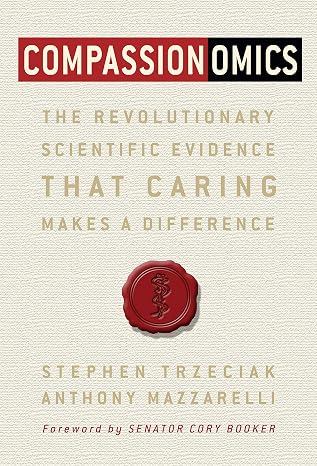
I would recommend “Compassionomics” by Stephen Trzeciak and Anthony Mazzarelli. The book, simply put, is an evidence-based, data-driven look at how being compassionate can save money and increase health outcomes for all populations, thus reducing future expenses. It’s a great way to see how doing the “right” thing can translate into effectiveness, efficiency, and satisfaction.
If you missed a Fellows Spotlight, you can find them here.