
Seattle Alumni Gathering – NEW DATE

Inspired by recent alumni gatherings in cities across the country, Lauren Johnston (‘09) is bringing the spirit of connection to the Pacific Northwest! Join your Flinn alumni community for an evening of connection in Seattle on Thursday, Aug. 7, from 6-8 p.m.
Event details will be finalized based on RSVP numbers—but you can count on great conversation, new connections, and a reminder that the Flinn network is never far away. Please RSVP to register your interest.
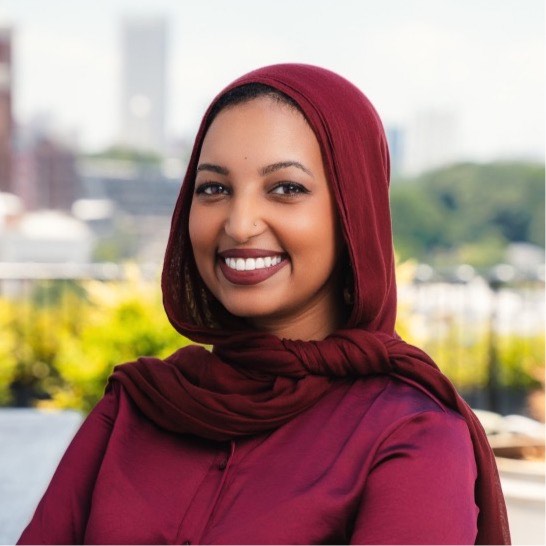
July Alumni Hour features 2009 Scholar Nesima Aberra
4-5 p.m., Monday, July 21 (Arizona time)
Join us for our July Alumni Hour as Sara Zervos (’87) interviews Nesima Aberra (’09), a writer and digital strategist working at the intersection of media and social impact. Based in the DC-Metro Area, Nesima is currently Vice President of Digital and Content at Change Consulting with past roles at The Atlantic and the Center for Public Integrity. She’ll share her thoughts on the human relationship with media, philanthropy and social impact, and how creative writing and multidisciplinary art is embedded in her life.
Alumni Voices
Jonathan Gandomi
Flinn Scholar Class of 1999


Q: Will you share a little about your current role and what excites you most about your work?
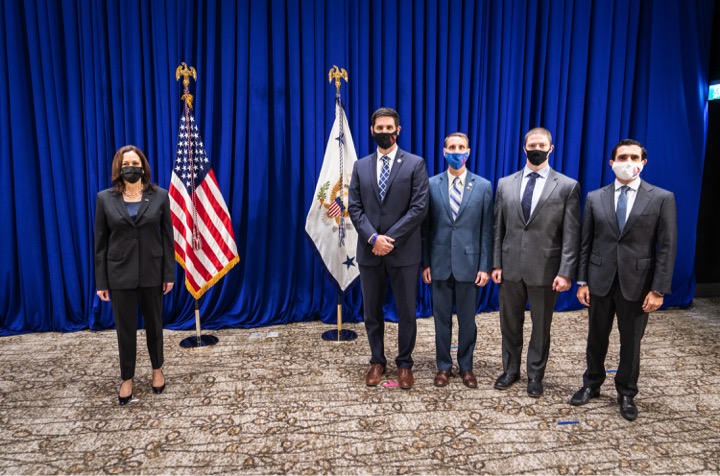
Until July 1, I was serving as a senior advisor for policy and acting chief of staff to the coordinator of Prosper Africa, a U.S. Presidential-level initiative to increase trade and investment between the United States and African countries. Since mid-2022 I have been based in South Africa. The U.S Agency for International Development (USAID) hosted an Executive Secretariat to coordinate efforts for the initiative among 17 participating U.S. departments and agencies. With the dismantling of USAID, effective July 1, 2025, the Prosper Africa initiative, my position, and the jobs of thousands of USAID colleagues were unfortunately terminated. In my case, this closed a period of 17 years of service to the U.S. government, which took me to Thailand, Afghanistan (twice), Uganda, Vietnam, South Africa, and Washington, D.C. I feel great pride in the work I was involved in and tremendous gratitude for the incredible opportunities that I have had serving the United States overseas, which more often than not, have aligned with the interests of partner countries and advanced mutual prosperity and security. My wife, who also worked for USAID, and our two kids were repatriated back to the United States just prior to July 1, but we plan to return to South Africa to seek new professional opportunities that continue the work we were doing on the continent. One door has closed, but I’m optimistic other doors will open.
Q: How did being a Flinn Scholar shape your academic and/or career path?
There is no doubt that being a Flinn Scholar started me on my career path. It was transformative, illuminating, and fun. Even after 25 years, I am still friends with other ’99 Scholars. They are all wonderful human beings. We take pride in and respect each others’ personal and professional paths and accomplishments. The Flinn Scholarship opened many new doors for me – from study abroad experiences (National Security Education Program Scholar in Kazakhstan) to other fellowships (Truman Scholar ’03), and it provided the training and mindset to enter a top public policy graduate program at Princeton University. The Flinn Scholarship shaped who I am and what I have done in my career.
Q: Is there a project, achievement, or experience you’re especially proud of?
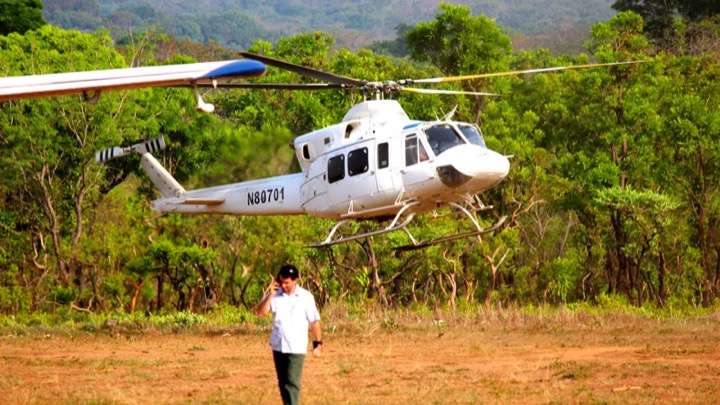
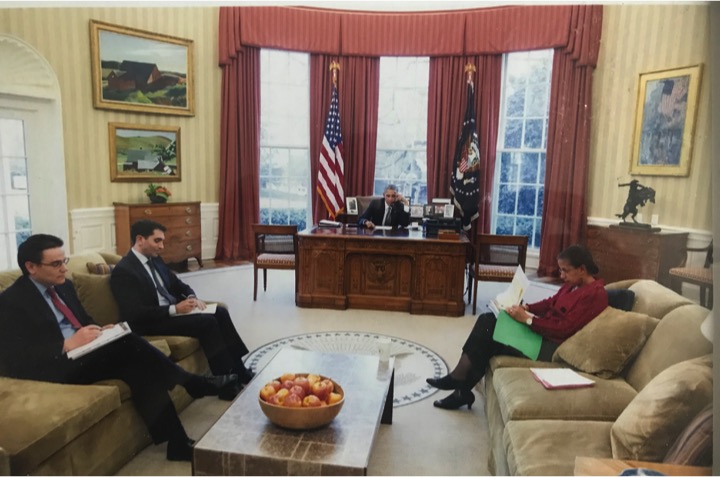
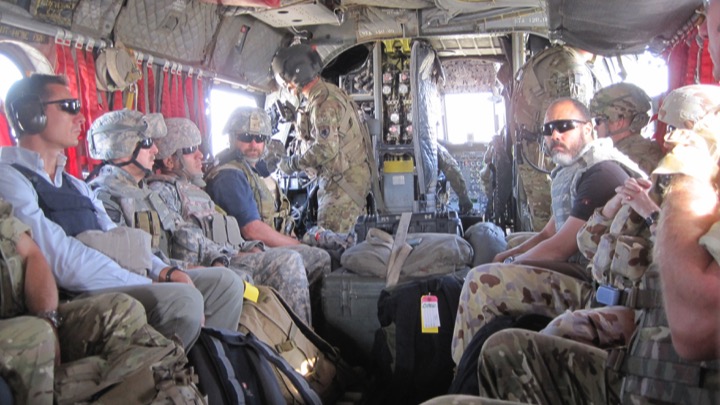
For two years, I was the State Department’s field representative to a U.S. Special Forces Mission in Central Africa to counter the violence of Joseph Kony and the Lord’s Resistance Army (LRA). The story of the LRA in Uganda, DRC, and the Central African Republic is one about child soldiers abducted from their homes and forced to commit terrible acts, and at the time was Africa’s longest running conflict. Roughly 100 U.S. Special Forces, and one deployed civilian (myself, from 2012-2014), supported an African Union-led mission on the ground to stop Joseph Kony, encourage LRA soldiers to leave the bush, and allow displaced populations to resume normal lives. In addition to the Special Forces, I worked closely with tribal and religious leaders from local communities, as well as NGO workers and UN missions who were on the ground, to build partnerships and consensus around a common plan to reduce the impact of the LRA. For the successive Special Forces teams, and for the wider community of people and nations working on this conflict, there was great unity of vision and purpose, and together we reduced civilian deaths from the LRA by 90% over a three-year period, removing four of the five top LRA commanders, and reintegrating hundreds of former child soldiers. This work earned me an invitation to become the Director for Central Africa at the National Security Council during the Obama Administration, which itself was an unparalleled professional experience, but my work on the counter-LRA mission remains a career highlight.
Q: Looking back, what’s one lesson from your time as a Flinn Scholar that has stayed with you?
There are many. Seek out people who challenge you intellectually. Take your education seriously but not yourself too seriously. Remember you are a whole person with many interests and different ways to develop. Work hard for your goals but don’t be afraid to find creative ways to get there. Travel the world and learn constantly about new ideas and ways of thinking.
Q: If you had to describe your career path using only a movie title, what would it be?
Around the World in 80 Days
Q: What book, podcast, or piece of media has changed how you think in the last year?
Two years ago, I began reading historical fiction novels by James Michener, who wrote his best work between 1950-1990. I’ve read over 10 of his novels, many of which are over a thousand pages, and I can’t stop. Check out Alaska, Hawaii, the Covenant (about South Africa), the Source (about Israel), Texas, Mexico, Space, among others. The long arcs of his multi-generational stories reinforce the notion that one must find an animating purpose around which the rest of life becomes organized, and that one’s internal principles make all the difference. And along the way I’ve learned a lot about the history of different places and peoples.
A Grateful Steward, By Anne Lassen
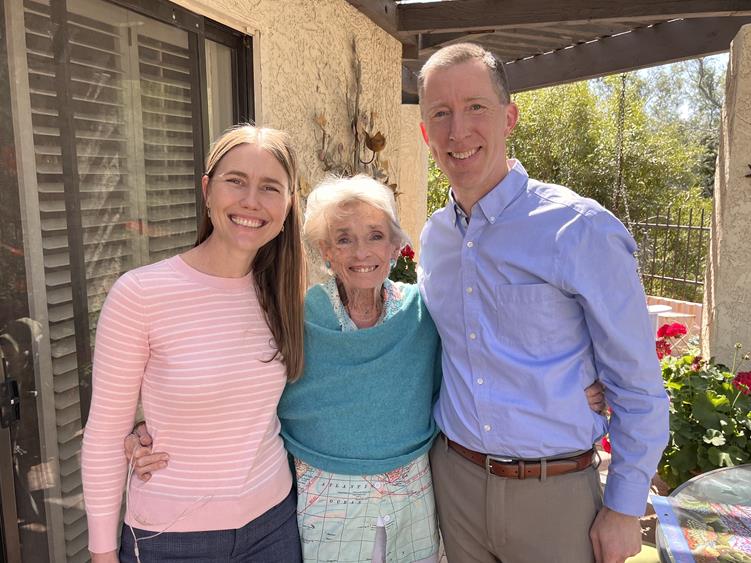
This summer marks 10 years since I stepped into the role of directing the Flinn Scholars Program. A decade in, my overwhelming feeling is one of gratitude—for the work, for the mission, and most especially, for the people.
To be part of this community is to be part of something rare. It’s not just the day-to-day connection with exceptional young people or the chance to support them as they take on the world, though that is incredibly rewarding. It’s also the sense of shared purpose, of being part of something bigger than any one person, that gives this role its depth and meaning.
But none of this began with me. I stand on the shoulders of those who came before, and I want to pay tribute to the directors whose vision and stewardship shaped the program I now have the honor to lead.
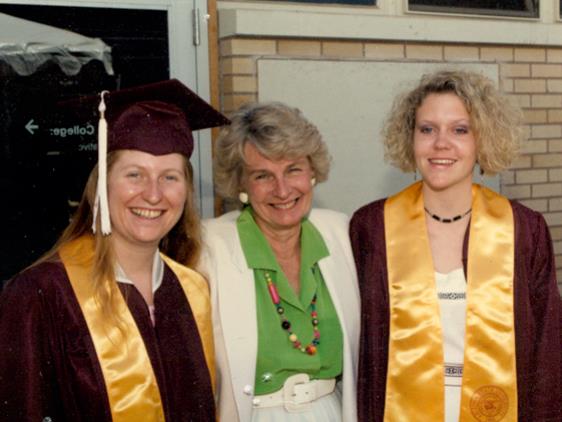
Barbra Barnes was the program’s founding director, serving from 1985 until 1997. Meeting Barbra and hearing her stories of those early years was deeply rewarding for me. Alongside John Murphy, she established many of the elements that define the program today: study abroad, meaningful mentorship, and the sense of belonging that comes from shared retreats and celebrations. Barbra didn’t just build a scholarship; she nurtured a community. The Scholars meant the world to her. She stayed in touch long after her time at the Foundation, keeping up with your lives and celebrating your milestones.
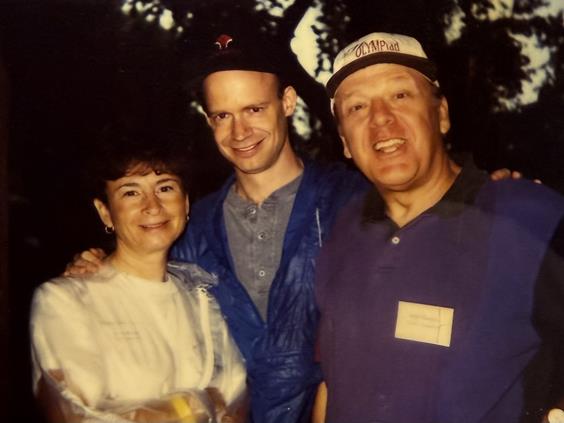
Helen Rosen followed, serving from 1997 to 2001. Helen is the only program director with substantial K-12 experience and before arriving at Flinn was known for writing many of the best letters of recommendation our reviewers ever saw. Though I have never met her, I’ve heard about how deeply she cared about the Scholars, providing wise, personalized guidance to many of them, and how she helped sustain the values of the program during a time of transition.
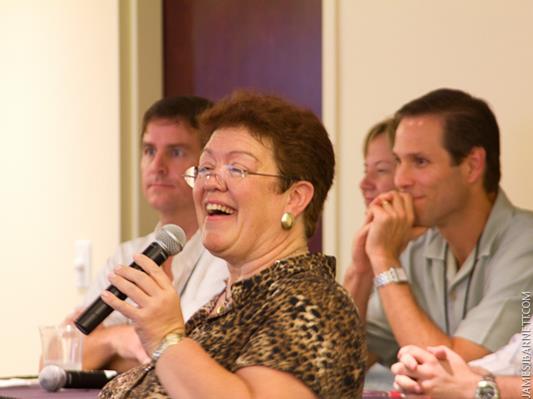
Michael Cochise Young served from 2001 to 2012. I’m so grateful to know firsthand what a warm and caring person she was. She had an immense capacity for love and an instinct for encouragement. She was a remarkable mentor who challenged Scholars to grow, to reach higher, and to serve others. Under her guidance, Scholars earned some of the nation’s most competitive awards, but more importantly, found their sense of purpose.
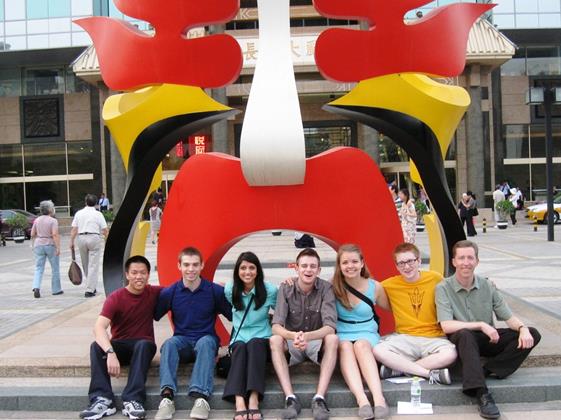
Matt Ellsworth, who now serves as the Foundation’s Chief Administrative Officer, directed the program from 2012 to 2015. He brought both lived experience as a Scholar and deep institutional knowledge to the role. Working alongside him has been a masterclass in thoughtfulness. He has an extraordinary ability to listen closely, think deeply, and respond with clarity and care. The Foundation, the Scholars program, and I are all better for his wisdom, integrity, and friendship.
Each of these leaders has left their mark on the Flinn Scholars Program in profound ways. Their presence lingers in the ideals we champion, the curiosity we cultivate, and the sense of belonging we strive to offer every Scholar.
Ten years in, I still feel lucky every day to be part of this story. Thank you, to every Scholar and every colleague, for making this work so meaningful. Here’s to what comes next—and to the legacy that continues to guide us.